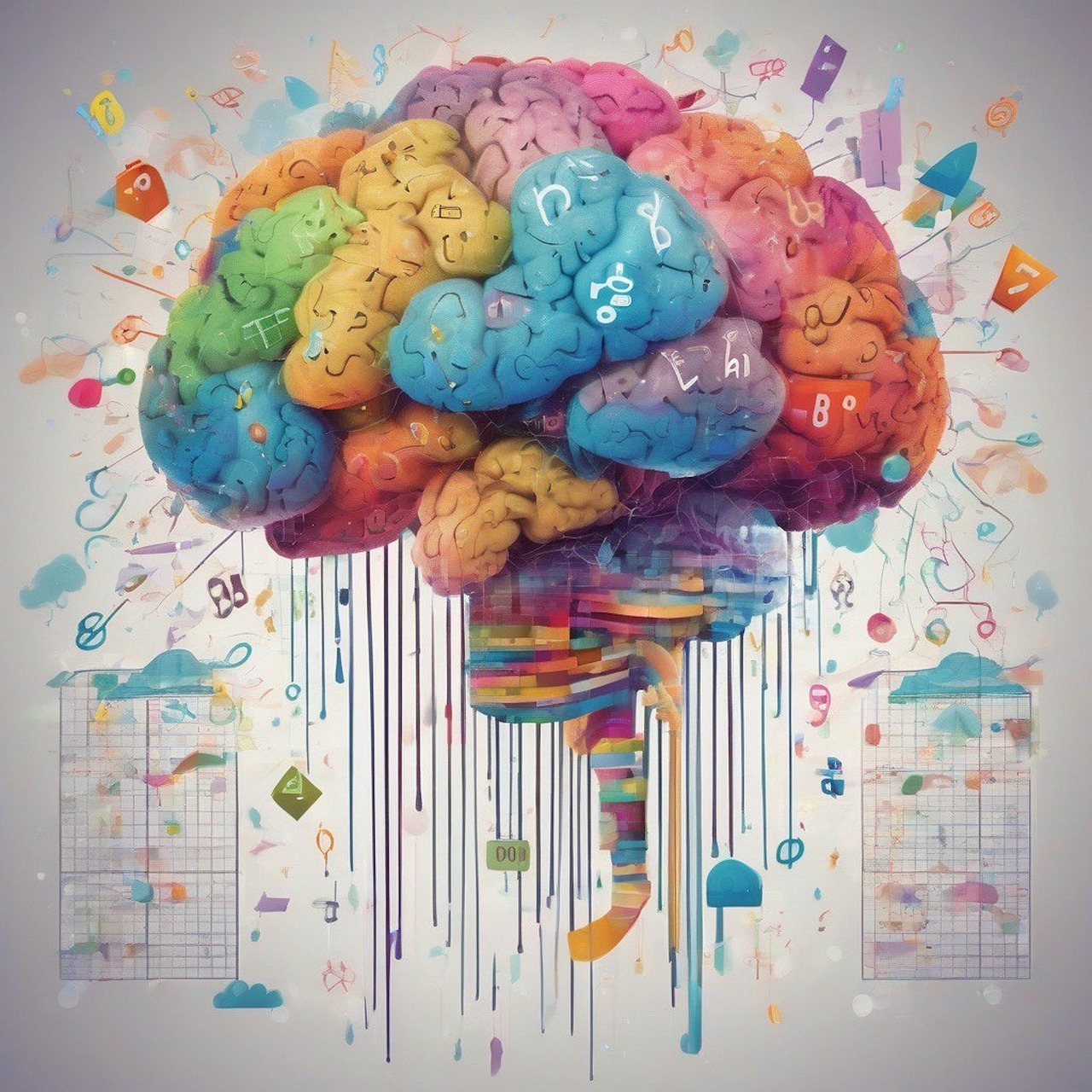
Artificial Intelligence (AI) is rapidly transforming education by changing how students learn, how teachers teach, and how institutions operate. From personalized learning platforms to automated grading systems, AI is reshaping the educational landscape in powerful ways.
1. Personalized Learning
One of the most significant impacts of AI in education is personalized learning. Traditional classrooms often follow a one-size-fits-all approach. AI systems, however, can analyze a student’s strengths, weaknesses, learning pace, and preferences to tailor lessons accordingly.
- Adaptive learning platforms adjust difficulty levels in real time.
- AI tutors provide instant feedback and step-by-step guidance.
- Students can learn at their own pace, improving understanding and retention.
This helps ensure that struggling students receive extra support, while advanced learners can move ahead without being held back.
2. Intelligent Tutoring Systems
AI-powered tutoring systems simulate one-on-one instruction. These systems:
- Answer student questions instantly.
- Provide explanations in different formats (text, video, examples).
- Identify common mistakes and correct misconceptions.
This increases access to quality educational support, especially in areas where teachers or tutors may not be readily available.
3. Automated Grading and Feedback
Grading can be time-consuming for educators. AI can:
- Automatically grade multiple-choice and short-answer tests.
- Assist in evaluating essays using natural language processing.
- Provide detailed performance analytics.
This reduces teachers’ administrative workload and allows them to focus more on teaching and student engagement.
4. Enhanced Accessibility
AI is making education more inclusive by supporting students with disabilities.
Examples include:
- Speech-to-text and text-to-speech tools.
- Real-time translation for multilingual learners.
- AI-driven captioning and assistive technologies.
These tools help remove barriers and create equal learning opportunities.
5. Data-Driven Decision Making
Educational institutions use AI to analyze large amounts of student data to:
- Predict student performance.
- Identify students at risk of dropping out.
- Improve curriculum design.
By using predictive analytics, schools can intervene early and provide targeted support.
6. Virtual Classrooms and AI Assistants
AI-powered chatbots and virtual assistants:
- Answer student queries 24/7.
- Help with scheduling and administrative tasks.
- Provide reminders and study support.
This enhances the overall learning experience, especially in online and hybrid education models.
7. Challenges and Ethical Concerns
Despite its benefits, AI in education also raises concerns:
- Data privacy and security issues.
- Bias in algorithms.
- Reduced human interaction.
- Over-reliance on technology.
Educational institutions must implement ethical guidelines and responsible AI policies to ensure fair and safe usage.
Conclusion
Artificial Intelligence is transforming education by making learning more personalized, accessible, efficient, and data-driven. While challenges remain, the responsible integration of AI has the potential to significantly improve educational outcomes worldwide. As technology continues to evolve, AI will likely play an even greater role in shaping the future of learning.