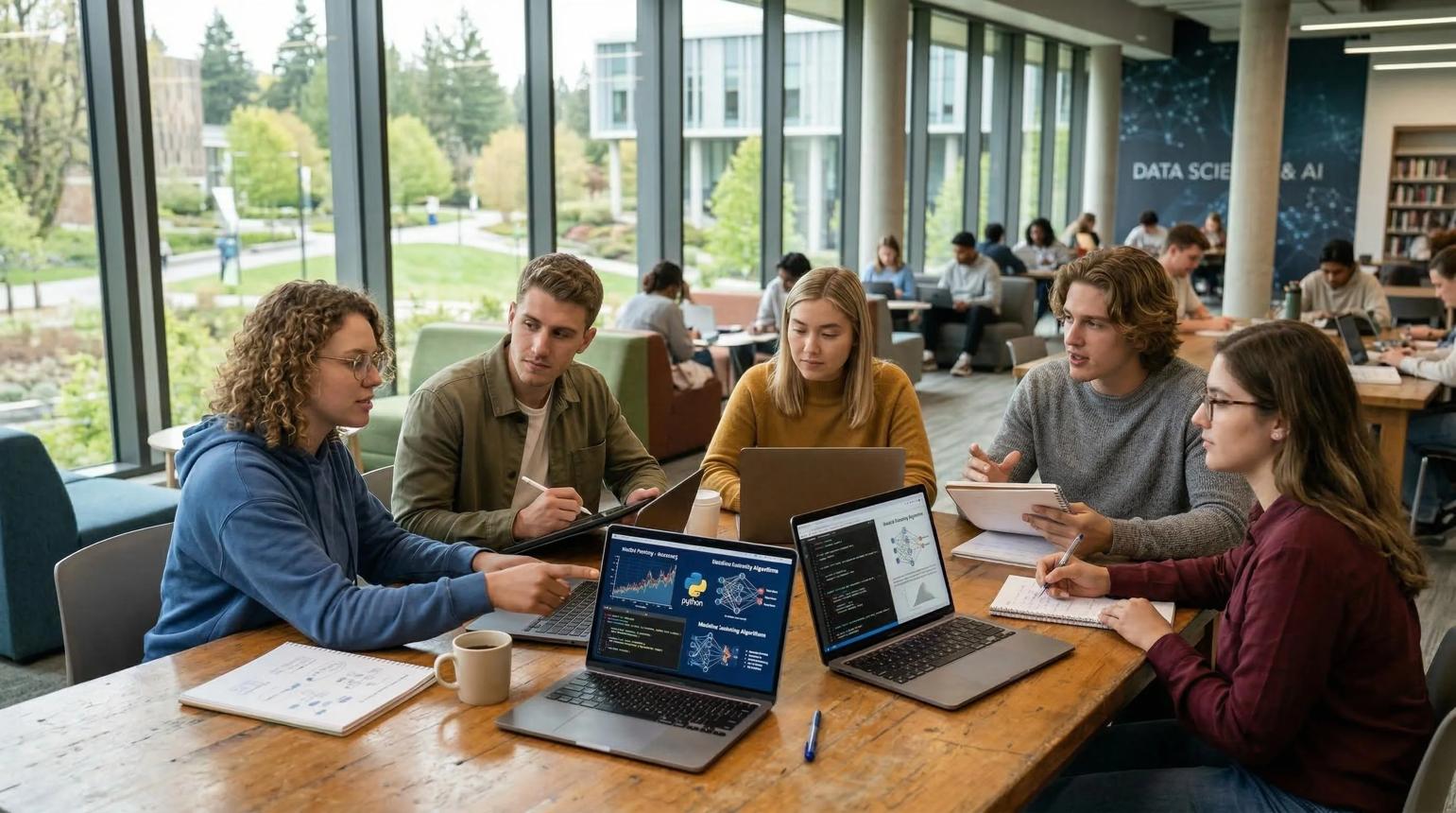
The rise of online universities has changed higher education in a major way, especially after the growth of remote learning during the last decade. Today, students can earn full degrees from accredited institutions without ever stepping onto a physical campus—but the big question remains: are they actually worth it?
🌐 Why online universities are growing so fast
Online universities have expanded because they solve real-world problems. They offer flexibility, lower overall costs, and access to programs regardless of location. Students who work full-time, live in remote areas, or have family responsibilities can study without relocating. Many programs are also designed to be self-paced, making education more accessible than traditional classroom systems.
Another major reason for their growth is that employers and universities themselves have accepted online education as mainstream, especially after the pandemic normalized remote learning.
🎓 Are online degrees respected by employers?
This is where things have changed the most. Research and employer surveys show that most hiring managers now care more about accreditation and skills than whether a degree is online or on-campus. In fact, a large share of employers consider accredited online degrees equivalent to traditional degrees.
That means the real issue is not “online vs offline,” but:
- Is the university accredited?
- Does the program match job market needs?
- Can the student demonstrate real skills?
If those boxes are ticked, the delivery format usually matters far less than people expect.
👍 Advantages of online universities
Online education can be worth it for many students because it offers:
- Flexibility: Study while working or managing personal commitments
- Cost savings: No relocation, commuting, or campus living expenses
- Global access: Learn from universities in different countries
- Career upskilling: Ideal for switching careers or upgrading qualifications
- Self-paced learning: Progress at your own speed in many programs
For working professionals or adult learners, this flexibility is often the biggest advantage.
⚠️ Limitations you should consider
Despite the benefits, online universities are not perfect.
- Less face-to-face networking with peers and professors
- Requires strong discipline and time management
- Not ideal for hands-on fields like lab sciences or clinical training
- Some employers or industries may still prefer traditional campus experience (though this is decreasing)
In other words, success depends heavily on self-motivation and the quality of the program.
💡 So, are they worth it?
The honest answer: it depends on your goals.
Online universities are worth it if:
- You need flexibility to work while studying
- You choose an accredited and reputable institution
- You are focused on career skills and practical outcomes
They may be less ideal if:
- You want a full campus experience (social life, networking, clubs)
- Your field requires heavy in-person training
- You struggle with self-discipline in independent study environments
🧭 Final thought
Online universities are no longer “second-tier” education. They’ve become a mainstream path that can lead to strong career outcomes—but only when chosen carefully and used strategically. The value doesn’t come from the format itself, but from how well the program aligns with your career and how committed you are to completing it.