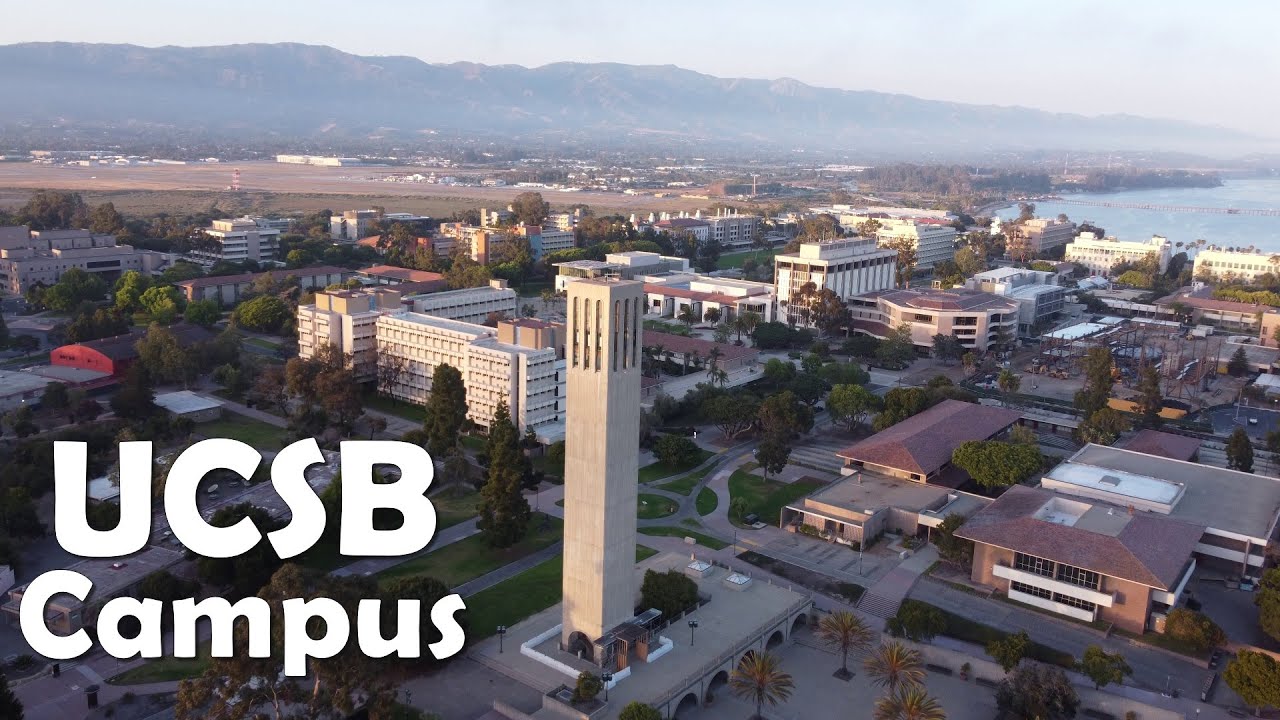
The Rising Influence of UCSB in Global Education
The world of higher education continues to evolve as universities become major centers for scientific discovery, technological advancement, and interdisciplinary collaboration. Among institutions recognized for academic excellence and groundbreaking innovation, ucsb has become strongly associated with world-class research and forward-thinking educational development. Universities today are not only places for learning but also powerful engines of innovation that contribute to solving global challenges through science, technology, and international cooperation.
Modern academic institutions are increasingly focused on combining research, digital transformation, and practical applications that benefit society. UCSB-related innovation reflects the growing importance of universities in driving discoveries across fields such as engineering, environmental science, artificial intelligence, healthcare, and advanced materials research. Through collaboration between researchers, students, and industry leaders, modern universities are helping shape the future of technology and global progress.
UCSB and the Advancement of Scientific Research
One of the defining strengths connected with ucsb is its commitment to scientific research and academic exploration. Research universities play a critical role in expanding human knowledge and developing solutions to complex global issues. Today’s scientific challenges often require interdisciplinary collaboration, where experts from different academic backgrounds work together to create innovative breakthroughs.
Advanced laboratories, high-performance computing systems, and AI-driven research tools allow researchers to process massive amounts of data and conduct experiments more efficiently than ever before. Universities connected with UCSB-style innovation are investing heavily in technologies that support faster scientific discovery and more accurate research outcomes.
Scientific research conducted in modern academic environments contributes to advancements in renewable energy, climate science, biotechnology, medicine, and information technology. By encouraging collaboration between disciplines, universities create opportunities for new ideas and discoveries that can positively impact industries and communities worldwide.
Research institutions also serve as training grounds for future scientists, engineers, and innovators. Students participating in research programs gain practical experience and exposure to cutting-edge technologies, preparing them for careers in rapidly evolving industries.
Technological Innovation and Engineering Excellence
Technology has become one of the most important drivers of progress in higher education, and ucsb is closely associated with innovation in engineering and scientific development. Modern universities are integrating advanced technologies into research programs, classroom learning, and industry partnerships to support the next generation of technological breakthroughs.
Engineering research connected with academic innovation focuses on areas such as robotics, semiconductor development, artificial intelligence, nanotechnology, and communication systems. Universities provide researchers with access to advanced facilities where they can develop smarter devices, more efficient systems, and sustainable technologies designed to solve real-world problems.
Artificial intelligence and machine learning are also transforming how research is conducted. AI-powered systems help researchers analyze complex datasets, simulate experiments, and identify patterns that would be difficult to detect using traditional methods. These technologies accelerate innovation while improving accuracy and efficiency across scientific disciplines.
Collaboration between universities and technology industries further strengthens innovation. Academic institutions often partner with companies and research organizations to develop practical applications for scientific discoveries. This relationship helps bridge the gap between theoretical research and real-world technological advancement.
Environmental Research and Sustainable Development
Environmental sustainability has become a major global priority, and ucsb is connected with the growing role of universities in environmental research and climate innovation. Research institutions are increasingly focused on developing sustainable technologies and strategies that address challenges such as climate change, renewable energy, resource conservation, and environmental protection.
Scientists and researchers use advanced modeling systems, satellite technologies, and environmental analytics to study ecosystems, monitor climate patterns, and develop sustainable solutions for future generations. Universities encourage interdisciplinary collaboration between environmental scientists, engineers, policymakers, and economists to create comprehensive strategies for long-term sustainability.
Research in renewable energy technologies is especially important in today’s rapidly changing world. Universities connected with innovative research programs contribute to advancements in solar energy, battery storage systems, sustainable materials, and clean transportation technologies. These discoveries support global efforts to reduce environmental impact and promote sustainable economic growth.
Environmental education also plays an important role in preparing future leaders to address ecological challenges responsibly. Students involved in sustainability research gain valuable knowledge and practical experience that can help shape future environmental policies and innovations.
Global Collaboration and Academic Connectivity
The modern research landscape is increasingly global, and ucsb reflects the importance of international collaboration in higher education and scientific innovation. Universities today are connected through digital platforms, research partnerships, and academic exchange programs that allow scholars and students to work together across borders.
Global collaboration accelerates scientific progress by enabling researchers to share knowledge, resources, and expertise more efficiently. Scientists from different countries can contribute unique perspectives and specialized skills to interdisciplinary projects focused on healthcare, climate science, technology, and social development.
Digital transformation has significantly improved communication and accessibility within academic environments. Cloud-based research systems, virtual conferences, and online learning platforms allow institutions to collaborate in real time regardless of geographic location. This increased connectivity creates more inclusive academic communities and expands opportunities for students worldwide.
International academic partnerships also help students develop cultural awareness and global perspectives. Exposure to diverse research environments and collaborative learning experiences prepares graduates for careers in international industries and research organizations.
The Future of UCSB and Research-Driven Innovation
The future of ucsb-related innovation reflects the broader transformation of higher education into a global force for scientific discovery and technological advancement. As digital technologies continue evolving, universities are expected to play an even greater role in shaping the future of healthcare, artificial intelligence, environmental sustainability, and advanced engineering.
Future research environments may include AI-powered laboratories, immersive virtual collaboration systems, and highly automated scientific platforms capable of accelerating discoveries at unprecedented speeds. Universities will likely continue expanding interdisciplinary research programs that combine science, engineering, data analytics, and social sciences to address increasingly complex global challenges.
Educational institutions connected with research excellence will remain essential for developing future innovators, entrepreneurs, and scientific leaders. By fostering creativity, collaboration, and technological exploration, universities help create solutions that improve quality of life and support long-term global progress.
UCSB symbolizes the growing importance of research-driven education in a rapidly changing world. Through scientific innovation, technological advancement, environmental research, and international collaboration, modern universities are shaping a smarter, more connected, and more sustainable future for generations to come.
