Poland’s history is one of resilience, transformation, and cultural richness. Located in the heart of Europe, Poland has experienced the rise and fall of kingdoms, devastating wars, foreign occupations, and inspiring national rebirths. Despite centuries of political turmoil, the Polish people preserved their language, traditions, and identity. Today, modern Poland stands as a thriving democratic nation with a deep respect for its past and a strong vision for the future.
The Rise of the Polish Kingdom

The foundations of Poland were established in the 10th century under the rule of Mieszko I, who united various Slavic tribes and accepted Christianity in 966. This event, known as the Baptism of Poland, is considered the symbolic birth of the Polish state and connected the country to European Christian culture.
During the medieval period, Poland developed into a strong kingdom with growing cities, trade routes, and universities. Casimir III the Great played a major role in strengthening the nation during the 14th century by reforming laws, building castles, and encouraging education. His famous saying, “He found Poland made of wood and left it made of stone,” reflected the rapid development of the kingdom.
Poland later formed a political union with Lithuania, creating the powerful Polish–Lithuanian Commonwealth in 1569. This vast state became one of Europe’s largest and most influential powers, known for religious tolerance, elected monarchs, and a unique parliamentary system.
Partitions and the Loss of Independence
The 18th century brought political instability and external pressure from neighboring empires. Powerful states including Russia, Prussia, and Austria gradually divided Polish territory through a series of events called the Partitions of Poland.
By 1795, Poland disappeared entirely from the map of Europe. For more than 120 years, the Polish people lived under foreign rule. Despite this, national identity survived through literature, music, religion, and resistance movements. Polish poets and intellectuals kept the dream of independence alive during this difficult era.
One of the most celebrated figures of this period was Frédéric Chopin, whose music reflected the emotional spirit and patriotism of the Polish nation. Cultural expression became an important form of resistance during the years without sovereignty.
World Wars and National Struggles
Poland regained independence in 1918 after World War I reshaped Europe. Under the leadership of Józef Piłsudski, the country rebuilt its government and institutions after more than a century of occupation.
However, peace did not last long. In 1939, World War II began when Germany invaded Poland from the west while the Soviet Union attacked from the east. The conflict brought unimaginable suffering to the Polish population.
During the war, millions of Polish citizens died, including a large portion of the country’s Jewish community in the Holocaust. The occupation destroyed cities, cultural treasures, and infrastructure. Warsaw Uprising became one of the most symbolic acts of resistance against Nazi occupation, showing extraordinary bravery despite tragic consequences.
After the war, Poland fell under communist influence controlled by the Soviet Union. Political freedoms were limited, and the country remained behind the Iron Curtain for decades. Nevertheless, opposition movements continued to grow, especially during the 1980s through the Solidarity trade union led by Lech Wałęsa.
Modern Poland and Its European Future
The collapse of communism in 1989 marked the beginning of a new chapter in Polish history. Democratic reforms transformed the country politically and economically. Poland embraced free-market policies, modernized infrastructure, and strengthened ties with Western Europe.
In 1999, Poland joined NATO, and in 2004 it became a member of the European Union. These milestones helped boost economic growth, international cooperation, and educational opportunities.
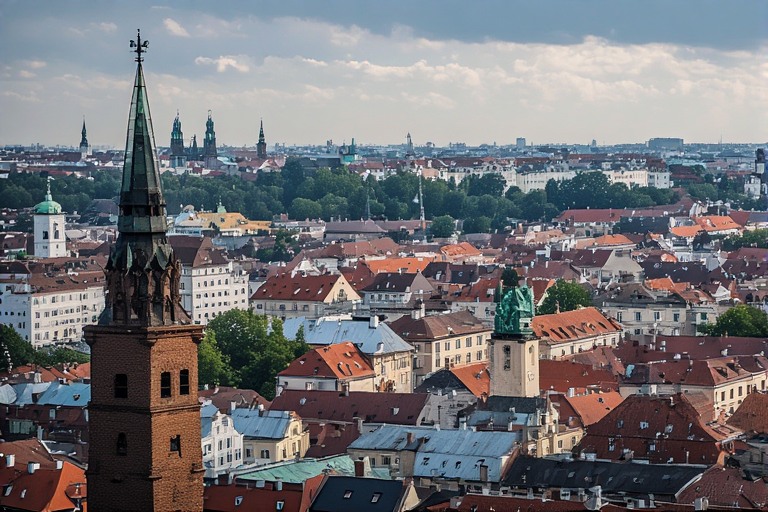
Today, cities such as Warsaw, Kraków, and Gdańsk blend historic architecture with modern innovation. Poland has become known for its vibrant culture, scientific achievements, and strong national pride.
Modern Polish society continues to honor its historical experiences while looking ahead to the future. Museums, memorials, festivals, and preserved landmarks ensure that younger generations remember the struggles and triumphs that shaped the nation.
Conclusion
The history of Poland is a remarkable story of endurance and renewal. From medieval kingdoms and powerful alliances to occupations, wars, and democratic rebirth, Poland has continually overcome adversity. Its ability to preserve identity through centuries of change remains one of the most inspiring aspects of European history. Today, Poland stands as a modern nation deeply connected to its historical roots and proud of the journey that brought it into the modern age.