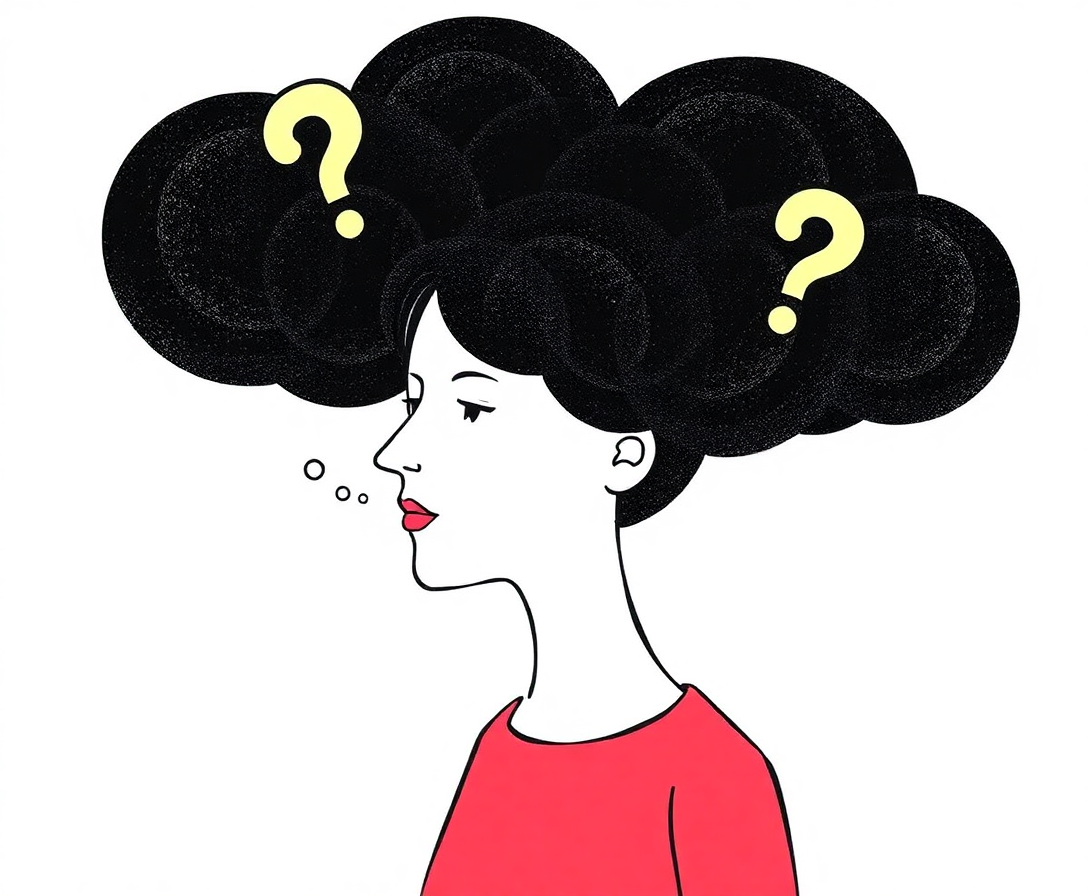
In a world full of choices, thinking things through seems like the smartest approach. After all, careful analysis helps us avoid mistakes and make better decisions—right? Not always. When thinking turns into overthinking, it can quietly sabotage your ability to decide, act, and move forward in life. Instead of clarity, it creates confusion, stress, and missed opportunities.
Let’s explore how overthinking affects your decisions and what you can do to break free from its grip.
1. Overthinking Creates Decision Paralysis
One of the biggest problems with overthinking is that it leads to analysis paralysis. You get stuck weighing every possible option, outcome, and risk—so much so that you end up making no decision at all.
When your brain keeps asking “What if?” repeatedly, even simple choices feel overwhelming. Whether it’s choosing a career path, starting a project, or even making everyday decisions, overthinking slows you down.
Instead of moving forward, you stay stuck in a loop of doubt. Ironically, trying too hard to make the perfect decision often results in making no decision at all.
2. It Amplifies Fear and Self-Doubt
Overthinking tends to magnify fears that may not even be realistic. Small concerns turn into worst-case scenarios in your mind.
You might think:
- “What if I fail?”
- “What if people judge me?”
- “What if I regret this forever?”
These thoughts fuel self-doubt and make you question your abilities. Over time, this mental habit weakens your confidence and makes you hesitant to trust your instincts.
The truth is, most decisions don’t have catastrophic consequences—but overthinking convinces you otherwise.
3. You Miss Opportunities
Opportunities don’t wait forever. When you overanalyze every step, you often hesitate too long—and by the time you’re ready, the moment has passed.
Whether it’s applying for a job, starting a business, or expressing your feelings, overthinking delays action. Meanwhile, others who act faster—even imperfectly—move ahead.
Success often favors those who take calculated risks, not those who endlessly debate every possibility.
4. It Drains Mental Energy
Overthinking is exhausting. Your brain keeps running in circles, revisiting the same thoughts without reaching a conclusion.
This constant mental activity:
- Increases stress and anxiety
- Reduces focus and productivity
- Affects sleep and overall well-being
Instead of using your mental energy to create, solve, or grow, you waste it on repetitive thinking that leads nowhere.
5. Perfectionism Makes It Worse
Overthinking is often linked to perfectionism—the desire to make the “best” or “perfect” choice.
But here’s the reality: perfect decisions don’t exist.
Every choice comes with uncertainty. Waiting for complete clarity or zero risk is unrealistic. The more you chase perfection, the harder it becomes to decide anything at all.
Progress comes from making decisions and learning along the way—not from waiting for perfection.
6. You Lose Trust in Your Intuition
Your intuition is a powerful decision-making tool built from experience and subconscious learning. But when you overthink, you override it with excessive logic and doubt.
Instead of trusting your gut, you keep second-guessing yourself. This creates internal conflict and makes decision-making even harder.
Sometimes, your first instinct is the right one—but overthinking convinces you to ignore it.
How to Stop Overthinking Your Decisions
Breaking the cycle of overthinking isn’t about stopping thinking altogether—it’s about thinking effectively. Here are some practical ways to regain control:
1. Set Time Limits
Give yourself a deadline to decide. This prevents endless analysis and forces action.
2. Focus on What You Can Control
You can’t predict every outcome. Make decisions based on available information and accept uncertainty.
3. Embrace Imperfection
Understand that no decision is flawless. Aim for “good enough,” not perfect.
4. Take Small Steps
Break big decisions into smaller actions. Progress reduces fear and builds confidence.
5. Trust Yourself
Remind yourself that you’ve made good decisions before—and you can do it again.
Conclusion
Overthinking might feel like a way to protect yourself from mistakes, but in reality, it often does the opposite. It traps you in doubt, delays action, and prevents growth.
Good decisions don’t come from endless thinking—they come from a balance of logic, intuition, and action. When you learn to quiet the noise in your mind and trust yourself, decision-making becomes simpler and more effective.
Remember: it’s better to make a decision and adjust along the way than to stay stuck forever.